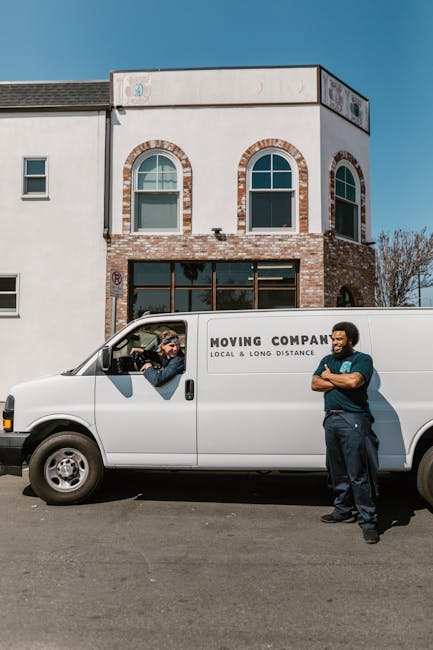
What to know Maida Vale council disposal rules for removals
If you are planning a move in Maida Vale, the disposal side of the job can be the bit that catches people out. Boxes are easy enough. Sofas, broken chairs, old blinds, paint tins, mattresses, and the random "I'll deal with that later" pile? Not so much. What to know Maida Vale council disposal rules for removals is really about making sure your move is tidy, lawful, and less stressful than it has any right to be.
The good news is that once you understand the basics, the whole process becomes much easier. You can plan what to keep, what to donate, what to recycle, and what needs a proper bulky waste collection or licensed disposal route. You also avoid the classic moving-day panic where the van is waiting, the hallway is full, and everyone is looking at the same awkward wardrobe. We've all seen that scene. It is never elegant.
In this guide, you'll find the practical rules, the common mistakes, and the smartest way to handle disposal during removals in Maida Vale, whether you're moving out of a flat, a townhouse, or a small office. If you need broader help with the move itself, you may also want to look at removals in Maida Vale and flat removals Maida Vale for the bigger picture.
Table of Contents
- Why these disposal rules matter
- How disposal during removals usually works
- Key benefits and practical advantages
- Who needs this and when it makes sense
- Step-by-step guidance
- Expert tips for better results
- Common mistakes to avoid
- Tools, resources and recommendations
- Law, compliance, standards, and best practice
- Options and comparison table
- Case study example
- Practical checklist
- Conclusion
- Frequently asked questions
Why What to know Maida Vale council disposal rules for removals Matters
Disposal rules matter because removals generate waste in a very specific way. You are not just clearing out clutter; you are making decisions about household goods, reusable furniture, electricals, packaging, and sometimes materials that need special handling. If you get that wrong, you can end up with extra cost, delay, or mess left behind at the old property.
In a neighbourhood like Maida Vale, that matters even more. Streets can be busy, access can be tight, and some buildings have shared entrances, managed blocks, or limited storage space for waste. The cleaner and more organised your disposal plan, the smoother your move tends to be. Less lingering rubbish, fewer last-minute trips, fewer arguments about what "definitely should have been taken yesterday".
There is also a wider point here: responsible disposal protects the local environment and helps keep removals efficient. Reuse and recycling are often the best first step, then council-approved collection or licensed disposal if something genuinely can't be kept in circulation. If sustainability is part of your thinking, the recycling and sustainability approach can sit neatly alongside your move plan.
Expert summary: The safest removals plan is usually: sort early, separate reuse from waste, check collection rules before moving day, and never assume bulky items can simply be left out on the pavement.
How What to know Maida Vale council disposal rules for removals Works
Most people imagine disposal as a single final step, but in practice it works best as a sequence. First, you sort the contents of the property. Then you decide whether each item is being kept, donated, recycled, sold, or disposed of. Only after that should you arrange the actual uplift or waste removal.
For removals in Maida Vale, the key question is not just "what is rubbish?" but "what is the right channel for this item?" A chest of drawers might be reusable. A kettle might be recyclable as electrical waste. A mattress may need a specific collection route. Broken plasterboard, paint, and chemicals are a different matter again. One size does not fit all. Annoying, yes, but true.
A moving team can help with the physical side, but the responsibility for what gets removed and how it is presented usually sits with the person moving. That means the earlier you decide what stays and what goes, the easier the handover becomes. If you're arranging a bigger domestic move, it can help to pair your disposal plan with house removals in Maida Vale or, for smaller jobs, a flexible man with van Maida Vale service.
There are also building-specific realities. A top-floor flat with no lift needs different planning from a ground-floor office. A narrow entrance off a side street can affect how quickly items can be brought out. And if you are trying to do a full clear-out in one day, the order matters: heavy pieces out first, loose rubbish bagged and sorted, and fragile or hazardous items dealt with separately. Simple, but not always easy when the clock is ticking.
Key Benefits and Practical Advantages
Getting disposal rules right is not just about avoiding trouble. It makes the whole removal feel calmer and, frankly, more professional. Here are the main benefits people usually notice.
- Less stress on moving day: you are not improvising at the curb with a broken desk and a roll of bin bags.
- Lower risk of fines or complaints: especially important where waste is left in the wrong place or at the wrong time.
- Better use of van space: the van carries what you actually need, not a load of clutter you meant to sort months ago.
- Cleaner property handover: landlords and buyers notice when a place is left in a decent state.
- More recycling and reuse: items that still have life left in them can often be diverted from waste.
- Fewer surprise costs: special waste, extra labour, or missed collections can all add up.
There's a hidden advantage too: a good disposal plan makes decision-making easier. Once you know what must be removed by which route, you stop wasting time on small arguments with yourself. Keep it? Donate it? Recycle it? Done. Move on. That mental clarity is worth a lot, especially in the final week before the move when everyone is tired and the kettle has become your best friend.
For people comparing moving options, this is one reason trusted removal companies in Maida Vale can feel worth the extra organisation. It is not only about lifting boxes. It is about reducing friction.
Who This Is For and When It Makes Sense
This topic matters to almost anyone moving in or out of Maida Vale, but it especially helps in a few common situations:
- Tenants leaving flats who need the property emptied and reasonably clean.
- Homeowners downsizing and wanting to clear bulky furniture before completion day.
- Students moving out with a mix of unwanted items, packaging, and low-value furniture.
- Families doing a full house clear-out after years of accumulated stuff.
- Office or studio moves where desks, shelving, and old equipment need a proper disposal plan.
- Anyone with bulky items such as sofas, wardrobes, mattress sets, or exercise gear.
It also makes sense when you have limited time. If you have a completion deadline, a tenancy end date, or a hard building access window, you cannot really afford a vague approach. That is where a focused plan helps. If time is tight, same day removals in Maida Vale may be useful, though disposal still needs to be organised properly rather than bolted on at the last minute.
And if you are moving a business, disposal is often part of a much bigger clean sweep. For that, the article on office removals for studios and shops is worth a look because commercial moves usually involve a slightly different rhythm and more sorting.
Step-by-Step Guidance
- Start sorting at least a week before the move. The earlier you begin, the less likely you are to shove everything into "deal with later" piles. Be honest with yourself about what has actually been used in the last year.
- Separate items into clear groups. Keep, sell, donate, recycle, and dispose. If you want a simple trick, use coloured labels or separate bags and boxes. It sounds a bit fussy. It isn't.
- Check bulky items first. Sofas, wardrobes, mattresses, and large appliances tend to need the most planning. If you are moving furniture, it helps to review furniture removals in Maida Vale before deciding what stays on the truck.
- Put aside anything hazardous or specialist. Paint, chemicals, gas canisters, batteries, fluorescent tubes, and certain electricals should not be bundled with ordinary rubbish.
- Decide what the council can and cannot take. Rules vary by item type, collection method, and local arrangements. If you are unsure, check carefully rather than assuming. This is the bit people skip, then regret later.
- Book collections early. Bulky waste slots and disposal services can fill up. Leaving this until the week of the move is where the stress begins.
- Keep pathways clear. Even if your removal team is doing the lifting, they need clear access. Hallways full of bags and loose screws are nobody's favourite.
- Do a final sweep on the last day. Look behind radiators, in cupboards, on balcony corners, and under beds. That one forgotten lamp shade always seems to appear at 4:45 p.m.
A practical point: if you are combining disposal with packing, it helps to use packing and boxes Maida Vale support so the "keep" items stay separate from the "go" items. It sounds obvious. Still gets mixed up all the time.
Expert Tips for Better Results
Here's where a little experience goes a long way. The best removals are rarely the ones with the biggest van; they are the ones with the cleanest decisions.
1. Treat disposal like part of packing, not a separate job. If you box items for disposal and items for the new place in the same room, confusion creeps in quickly. Finish one zone before starting another.
2. Photograph anything valuable before it leaves. This is especially useful for items being sold, donated, or handed to a removal team. A quick photo avoids "I thought that was staying" moments.
3. Keep a small essentials bag for the last 24 hours. Chargers, documents, medication, keys, snacks, and cleaning cloths. Not glamorous, but you will thank yourself later.
4. Don't wait for "ideal" weather or "the right moment." In London, a dry day can turn damp by tea time. Move the bulky stuff when you can, not when it looks perfect outside.
5. Ask how items will be handled. Reputable movers should be able to explain whether something will be transported, rehomed, or taken for disposal. If the answer is vague, that is worth noticing.
For a clearer idea of what to expect from a professional team, you can also read about the company background and approach and the wider services overview. That context can help you judge whether a provider feels organised enough for a move that includes disposal planning.
Common Mistakes to Avoid
The same mistakes come up again and again. Nothing dramatic, just small decisions that snowball.
- Leaving disposal until moving day. This is the big one. Once the truck is there, you are no longer planning; you are improvising.
- Assuming everything can be binned together. It cannot. Some items need separate handling, and some should never go into general waste.
- Putting bags out too early. If you leave rubbish outside in the wrong way or at the wrong time, it can create complaints or get moved around before collection.
- Forgetting building rules. Some blocks have service lift bookings, loading restrictions, or specific waste arrangements.
- Mixing donations with disposal. You do not want usable items ending up in the wrong pile because nobody checked a label.
- Not allowing for extra time. Disposal always takes longer than people think. Always.
A slightly less obvious mistake is underestimating the emotional side. People attach meaning to objects. That old armchair, the first dining table, the piano that has been in the family forever. If there are sentimental items involved, give yourself a little more breathing room. If needed, specialised help such as piano removals in Maida Vale can make a delicate job feel much safer and less chaotic.
Tools, Resources and Recommendations
You do not need fancy equipment to handle disposal well, but a few simple tools make the process much smoother.
- Colour labels or marker pens: to mark keep, donate, recycle, and dispose.
- Heavy-duty bin bags: useful for loose rubbish, but don't overload them beyond safe lifting.
- Sturdy boxes: especially for mixed items, cables, or small dismantled parts.
- Basic toolkit: screwdriver, Allen keys, tape measure, and gloves for dismantling.
- Cleaning kit: cloths, wipes, and a dustpan for the final sweep.
- Notebook or phone notes: handy for tracking what has been sold, donated, or scheduled for collection.
On the service side, it helps to compare moving support with the kind of disposal help you actually need. If you are just transporting a few items, a man and van Maida Vale option may suit. If you are handling a larger household clear-out, something closer to house removals in Maida Vale may be more practical. And if you need secure storage while you sort out what to keep, storage in Maida Vale can buy you some breathing room.
Law, Compliance, Standards, and Best Practice
Let's keep this careful and plain-English. In the UK, waste must be handled responsibly, and the usual best practice is to make sure items go to an appropriate collection, reuse stream, recycler, or licensed disposal route. You should never leave waste in a way that creates a hazard, blocks access, or results in fly-tipping. That's the broad principle, even if the details differ depending on item type and local arrangements.
For removals, the practical standard is simple: only dispose of what you have decided is waste, and make sure anything special is separated properly. If a removal provider is handling disposal, it should be clear what is included and what is not. That is one reason written terms matter. It avoids awkward questions later, especially around liability, access, and what happens to items you no longer want.
If you are comparing providers, it is worth checking the practical documents that tell you how they operate. The team's health and safety policy and insurance and safety information can give you a better sense of how seriously they take risk and handling. For payment clarity, payment and security is also worth a look, because disposal work should never come with vague billing surprises.
There's also a common sense standard that is easy to forget: if something is not yours, or you are not sure you have permission to remove it, do not assume. Shared items, building fixtures, or items left in communal areas can be a grey zone. Safer to ask than to guess. Truth be told, guessing is how most avoidable messes start.
Options, Methods, or Comparison Table
Not every item should be handled the same way. Here's a straightforward comparison of the usual options during a Maida Vale move.
| Method | Best for | Advantages | Watch-outs |
|---|---|---|---|
| Keep and move | Items you still need or value | Simple, efficient, avoids replacement cost | Requires good packing and space planning |
| Donate or rehome | Reusable furniture, decor, kitchenware | Good for sustainability and decluttering | Needs time, condition checks, and transport |
| Recycle | Cardboard, metals, some electronics, packaging | Environmentally sensible and tidy | Different materials may need separating |
| Licensed disposal | Damaged, broken, or non-reusable waste | Clear and final solution | Should be arranged correctly and responsibly |
For many moves, the best answer is a mix of all four. That is normal. A realistic house move in Maida Vale often includes a few items going with you, a few being donated, several boxes of recycling, and a handful of things that genuinely need disposal. Very rarely is it all one category. Life is messier than that.
Case Study or Real-World Example
A typical Maida Vale flat move might go something like this. The tenants have a sofa that will not fit through the stairwell in the new place, two shelving units from the study, a worn mattress, some flat-pack packaging, and a box of miscellaneous cables. They also have a deadline: keys must be handed back by early evening.
In practice, the smoothest approach is to sort the sofa and shelving first. If the sofa is reusable, it may be sold or rehomed. If not, it becomes a disposal item. The mattress is set aside for a separate collection route. Packaging goes into recycling. Cables are checked for reuse or electronic recycling. The boxes marked "keep" are loaded last so they are easy to find on arrival.
What makes this work is not speed alone. It is sequencing. The household already knows what is leaving, what is staying, and what needs careful handling. Nobody is stood in the hallway at 3 p.m. saying, "Actually, can we keep that?" while the van is waiting outside and the neighbours are trying to pass through with shopping bags. A little planning goes a long way.
If that scenario sounds familiar, reading the Maida Vale council permit guide for house removals in W9 can help with the access side of the move too. Disposal and parking/access planning often go hand in hand.
Practical Checklist
Use this checklist before moving day. It keeps things grounded.
- Separate keep, donate, recycle, and dispose items.
- Identify bulky items early.
- Check whether any items need special handling.
- Book waste collection or disposal support in advance.
- Confirm building access and lift arrangements.
- Label boxes and bags clearly.
- Set aside essentials for the first night.
- Photograph valuable items before they leave.
- Clear hallways, doors, and stairwells.
- Do a final room-by-room check before handing back keys.
If you're still figuring out the broader logistics, pricing and quotes can help you understand how removal services are often structured, while man with a van Maida Vale is useful if you need a simpler transport option for part of the load.
Get a free quote today and see how much you can save.
Conclusion
What to know Maida Vale council disposal rules for removals comes down to one simple idea: do not leave disposal to chance. Sort early, separate clearly, and match each item to the right route. That keeps your move cleaner, safer, and far less chaotic. It also makes you a better neighbour, which is no small thing in a busy part of London.
Whether you are clearing a flat, moving a family home, or shifting an office, the best results usually come from calm preparation rather than heroic last-minute effort. A bit of planning on a wet Tuesday evening can save a lot of stress on Friday morning. And that, really, is the point.
If you want to understand more about the company behind the move, take a look at about us and contact when you are ready to talk through your own removal plans.
Frequently Asked Questions
What is the main thing to know about Maida Vale disposal rules during removals?
The main thing is to sort items properly before moving day and use the correct route for each type of waste. Do not assume every unwanted item can go out with general rubbish.
Can I leave bulky furniture outside for collection?
Only if it is arranged properly and in a way that complies with the relevant collection rules. Leaving bulky furniture out casually is where problems usually begin, especially in shared streets or blocks.
What items are usually hardest to dispose of during a move?
Mattresses, sofas, large wardrobes, broken electricals, and anything classed as hazardous or specialist waste tend to need the most planning. Paint and chemicals are common troublemakers too.
Do removal teams handle disposal as well as transport?
Some do, some do not, and some only handle certain categories of waste. It is always best to ask in advance so you know what is included and what is not.
How early should I start sorting items before moving day?
Ideally, at least a week before the move. If you have a bigger property or a lot of furniture, starting even earlier is better. Honestly, earlier is always calmer.
What should I do with reusable furniture I no longer want?
If it is still in good condition, consider selling, donating, or rehoming it before disposal. Reuse is usually the cleanest and most sensible first option.
Are there special rules for electrical items?
Yes, electrical items often need separate handling or recycling rather than general waste. Small appliances, cables, and white goods should be checked individually.
How do I avoid last-minute disposal surprises on moving day?
Make a clear list of bulky or awkward items early, label everything, and confirm collection or disposal arrangements before the move starts. A final walkthrough the night before helps too.
What if I live in a flat with narrow stairs or limited access?
Then disposal planning matters even more. Measure bulky items, check access routes, and decide early whether items need dismantling or specialist removal support.
Is it better to choose disposal first or packing first?
Neither, really. The smartest approach is to sort first, then pack the keepers and dispose of the rest in a planned way. That way you do not end up packing things twice.
Can I combine storage with disposal planning?
Yes. Storage is useful when you are unsure whether to keep an item, or when your move-out and move-in dates do not line up neatly. It gives you breathing space.
What should I ask a mover before booking disposal help?
Ask what items they can take, how they handle bulky waste, whether disposal is included or charged separately, and how they manage access and safety. Clear answers are a good sign.
Why does disposal planning matter so much in Maida Vale specifically?
Because local streets, flats, and shared access points can make last-minute waste handling awkward. A tidy plan reduces disruption for you, your neighbours, and the removal team.